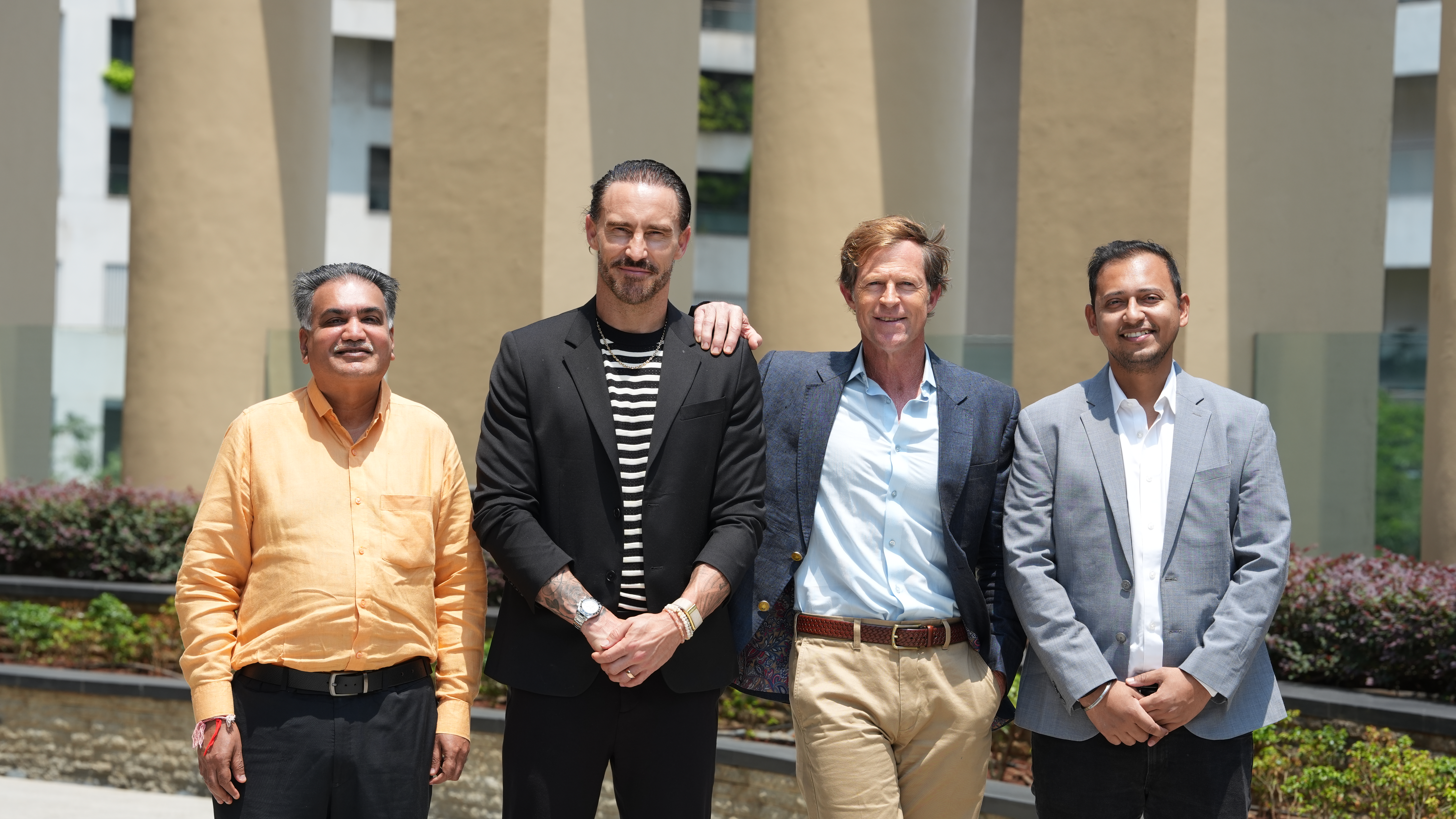
Du Plessis, Rhodes Highlight Cultural Link Driving Rotterdam Cricket Push

For Faf du Plessis, the connection to Rotterdam feels natural long before a ball is bowled. It begins with something deeper than cricket. “From a South African perspective, very similar cultures,” he explains, pointing to the shared threads between Dutch and Afrikaans heritage. There is a familiarity here that goes beyond language. It is reflected in people, pathways, and even the cricketing ecosystem that has quietly linked the two regions for years.
That connection is already visible within the game. As du Plessis notes, many players in the Netherlands setup have South African roots or experience. The exchange is not new. It has been building over time through players, coaches, and opportunities that move between the two countries. Because of that, Rotterdam stands out as “the most obvious” fit. The cultural alignment makes the transition smoother, more authentic. There is a shared understanding of the game and the mindset around it. It allows the franchise to build something that feels connected rather than imported.
Picking up from there, Jonty Rhodes expands the vision beyond familiarity. He brings the focus back to what Rotterdam represents on a larger scale. A “gateway to Europe,” as he has often described it, but also something more ambitious. For Rhodes, the opportunity lies in using this base to connect different parts of the cricketing world.
“It’s a big part of what we can achieve more than just cricket in Europe,” he suggests. The idea is not limited to one region. Instead, it looks at how Rotterdam can act as a meeting point. A place that links Europe with established cricketing hubs like India and South Africa, and even the broader Southern African region. It is about creating a flow of talent, ideas, and opportunities across continents.
This kind of connectivity could redefine how cricket grows in newer markets. Rather than developing in isolation, Europe can be integrated into a wider network. Players can move between systems, learn from different environments, and contribute to a more global version of the sport. Rotterdam, with its international character and accessibility, fits naturally into that role.
Rhodes’ perspective also highlights that the ambition goes beyond the boundary. It is not just about matches or leagues. It is about building relationships between cultures and cricketing communities. By linking these regions, the franchise has the potential to create something that feels global in both identity and impact.
Together, their views paint a clear picture. Du Plessis sees the strength in the existing cultural bond, the ease with which South Africa and the Netherlands connect. Rhodes looks at how that bond can be expanded into something much bigger. Both ideas point in the same direction.
Rotterdam is not just a location. It is a bridge. One that connects cultures, connects cricketing systems, and potentially connects the future of the game across continents.