Back to News/Jarrod Kimber: "We Weren't Letting Them In" – Why Cricket's Biggest Opportunity Lies Beyond the Traditional Powers
    Interview

    Jarrod Kimber: "We Weren't Letting Them In" – Why Cricket's Biggest Opportunity Lies Beyond the Traditional Powers

    Jarrod Kimber: "We Weren't Letting Them In" – Why Cricket's Biggest Opportunity Lies Beyond the Traditional Powers

    Few off-field voices in modern cricket carry as much credibility, when it comes to the global game, as that of Jarrod Kimber’s.

    Over nearly two decades, the Australian has built a reputation as one of cricket's sharpest writers, analysts and storytellers. From his early days as a pioneering cricket blogger to becoming a senior cricketing voice, producing award-winning documentaries, authoring books on the game's history and working with professional teams around the world, Kimber has consistently challenged cricket's conventional thinking.  

    That journey has taken him across every level of cricket, from World Cups and Ashes series to emerging nations trying to carve out their own place in the sport. So, when Kimber speaks about associate cricket, people tend to listen.

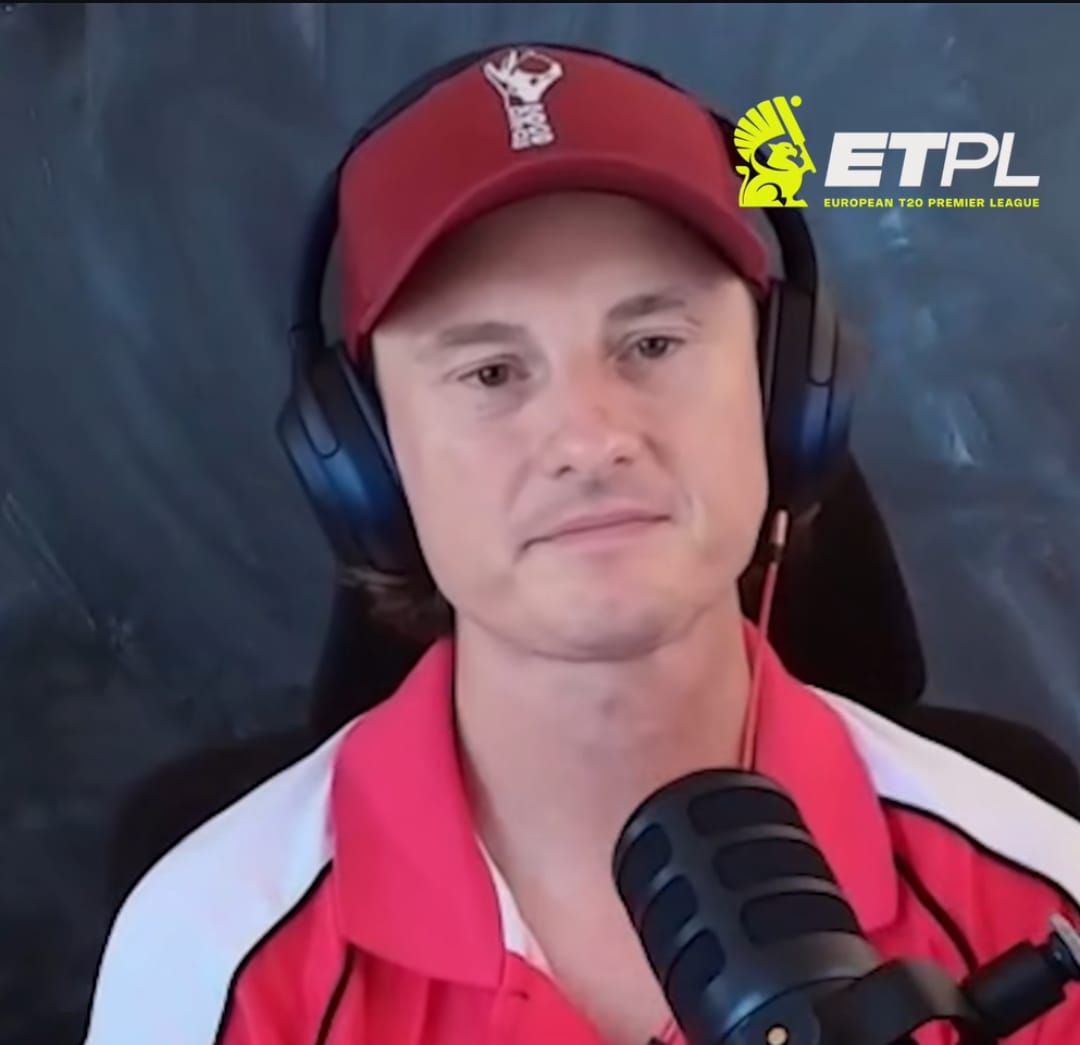
    Speaking with the European T20 Premier League (ETPL), Kimber was asked a series of quick-fire questions, but his answers revealed a clear theme: cricket's future belongs to those willing to grow the game.

    Asked which associate nation everyone should be watching right now, Kimber's pick was a very interesting one.

    "I suppose it's America (USA)."

    His reasoning was simple.

    "They've now had a couple of years of Major League Cricket."

    For Kimber, professional domestic leagues are more than entertainment—they're catalysts. They create better players, attract investment, improve coaching standards and give young cricketers something tangible to aspire to. It's the same thinking that underpins the rapid growth of associate cricket across Europe, where stronger domestic structures are beginning to reshape the landscape.

    His affection for European cricket was just as clear when asked to name his favourite cricket venue.

    "I don't know if this is even a city," he smiled, "but my favourite place almost in the world to follow cricket is Malahide."

    Home to Irish cricket, Malahide has become one of the sport's most picturesque venues, and Kimber admitted every visit has left a lasting impression on him.

    "I've been there two or three times and it's one of the most enjoyable places I've ever been to follow cricket."

    For someone who has travelled the cricketing world covering international matches, franchise leagues and major ICC tournaments, that's high praise.

    When the conversation turned to European talent, Kimber highlighted two names before settling on one.

    "I really like Lorcan Tucker," he said.

    But it was Dutch all-rounder Bas de Leede who he believes possesses extraordinary potential.

    "Bas de Leede is the one who hasn't quite developed yet into the player I think he can be, but I think his ceiling is so high that I'm hoping in the next two or three years, he might be one of the world's best all-rounders."

    It's a prediction that reflects Kimber's long-standing admiration for players emerging from associate systems—cricketers who often develop with fewer resources but no shortage of ambition.

    The interview's most memorable moment, however, came when Kimber was asked about one cricket myth he wishes would disappear.

    "I think we were convinced in the '80s and '90s that only the people in the major cricket nations cared about cricket."

    He believes that assumption held the sport back for decades.

    "It's not that other people don't love it and don't want it. It's just we weren't letting them in."

    For Kimber, the growth of women's cricket and associate cricket isn't proof that new audiences have suddenly appeared. Rather, it's evidence of what happens when the sport finally creates opportunities for people who have always wanted to be part of it.

    That belief has shaped much of Kimber's career. Whether through his analytical work, documentaries like Death of a Gentleman (which he co-wrote and co-directed), bestselling books, podcasts or consultancy roles with international teams and franchises, he has consistently argued that cricket becomes stronger when it expands rather than protects its traditional borders.

    It's a philosophy that feels especially relevant for the European T20 Premier League.

    As European cricket enters an exciting new chapter—with growing fanbases, stronger domestic competitions and world-class talent emerging from Ireland, the Netherlands, Scotland and beyond—Kimber's message serves as both a reminder and a challenge.

    The future of cricket won't be defined solely by its oldest nations. It will be shaped by the countries bold enough to build new pathways, embrace new audiences and give the next generation a stage.

    And if Jarrod Kimber is right, that future is already here.

    VolunteerJarrod Kimber: "We Weren't Letting Them In" – Why Cricket's Biggest Opportunity Lies Beyond the Traditional Powers | ETPL | ETPL