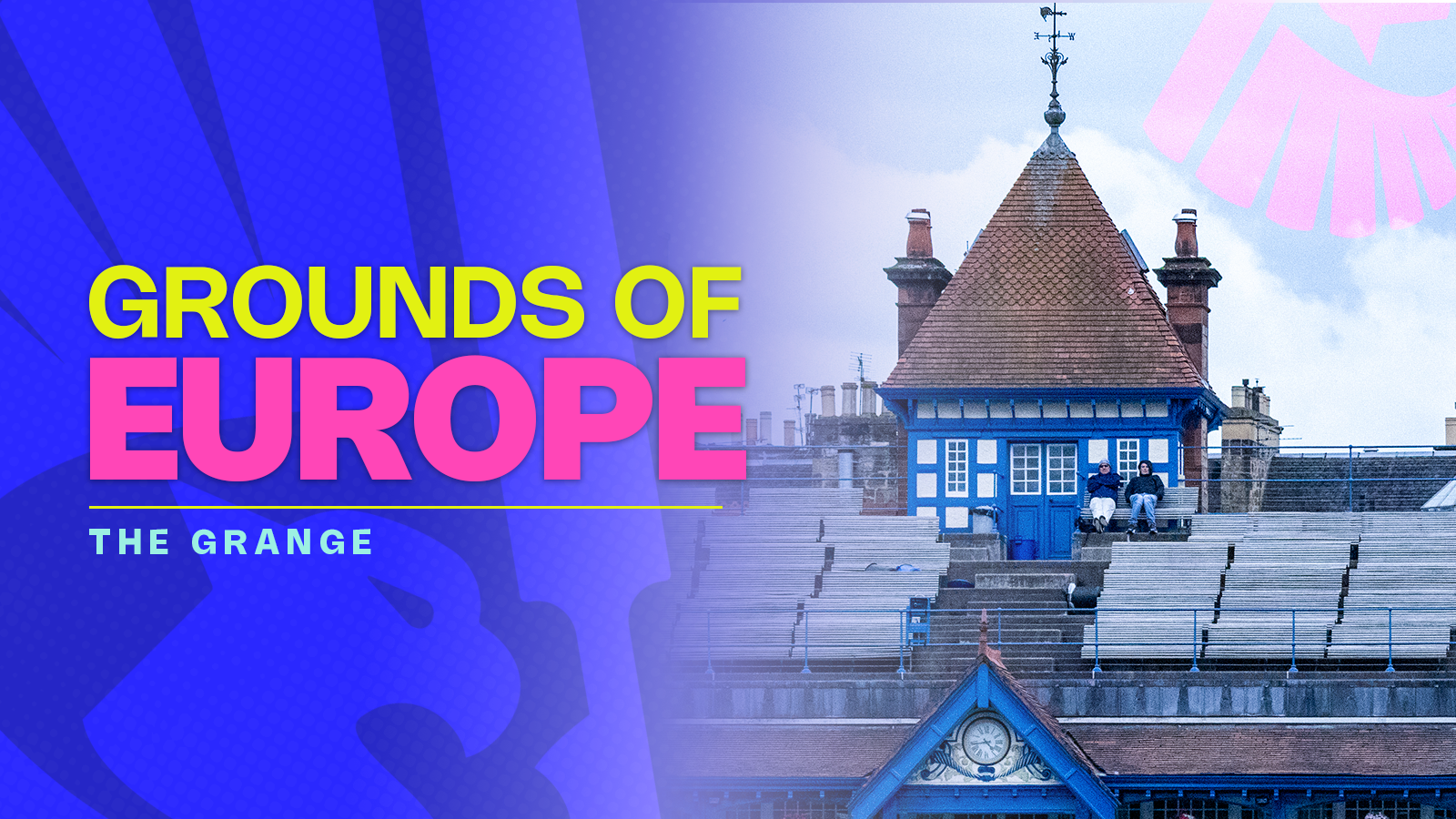
Grounds of Europe: The Grange - History, heritage and the de facto home of Cricket Scotland

Editor's Note: Grounds of Europe is an ETPL series exploring the venues, clubs, and communities shaping cricket across the continent. From historic grounds rooted in tradition to modern international arenas, the series celebrates the places where European cricket continues to grow and evolve.
There are cricket grounds that host the game, and there are grounds that become inseparable from its identity. In Scotland, The Grange belongs firmly in the latter category.
Tucked into Edinburgh's Stockbridge district and framed by trees, stone walls, and a pavilion that seems to have grown from the earth rather than been built upon it, The Grange has stood at the heart of Scottish cricket for nearly two centuries. It is more than a venue. It is where the nation's cricketing soul was formed, and where it continues to be tested.
The story begins, fittingly, with a meeting that was supposed to be about something else entirely. In the spring of 1832, three young men slipped away from a gathering of the Edinburgh University Speculative Society and turned the conversation toward cricket. Those men, Edward Horsman, David Mure and James Moncreiff, would each go on to distinguished careers in law and politics. However, on that particular afternoon, they had other priorities. The Grange Cricket Club was the result.
The club originally played in the Grange district of Edinburgh before settling at its permanent home on Raeburn Place in 1872. The pavilion that still watches over the ground today was officially opened in 1893 by Lord Moncreiff himself, one of those three founding figures, now presiding over something that had outlasted most of what he had built in his professional life. In the years that followed, The Grange would grow into one of Scotland's most consequential sporting institutions. When the Scottish Cricket Union collapsed in 1883, it was Grange that stepped in to keep the game organised and alive.
The ground's stature has always drawn the game's great names to Edinburgh. W.G. Grace played at Raeburn Place in the 19th century. Sir Donald Bradman appeared there during his 1948 'Invinclbles' tour. The modern era brought Sachin Tendulkar, Rahul Dravid, Brian Lara, Shane Warne and Andrew Flintoff among other notable greats to grace the hallowed turf.
The Grange stepped onto the world stage during the 1999 ICC Cricket World Cup, when it hosted Scotland's first Men's World Cup ODI on home soil. Scotland faced Bangladesh in Edinburgh, a landmark moment for a nation that had spent generations proving it belonged in the conversation.
From Scotland Cricket's perspective one of their most memorable days on the ground would be 10 June 2018.
England came to Edinburgh as the world's top-ranked ODI side. Scotland, fuelled by Calum MacLeod's extraordinary unbeaten 140, posted 371 for 5 and then held their nerve to win by six runs. It was Scotland's first ODI victory over England. For Associate cricket as a whole, it stands as one of the most remarkable results ever recorded.
The Grange continues to host Scotland internationals across ODI and T20I cricket while remaining rooted in the local game. Despite everything the ground has witnessed, it has kept its character intact. Spectators sit close enough to hear the crease conversations. The city presses in from every direction. The old pavilion holds its watch, as it always has.
Nearly two centuries on from three students deciding they had better things to discuss than the Speculative Society's agenda, The Grange remains exactly what they set in motion: the beating heart of Scottish cricket.