Back to News/How Cricket paved the way for Rugby in Dublin
    Feature

    How Cricket paved the way for Rugby in Dublin

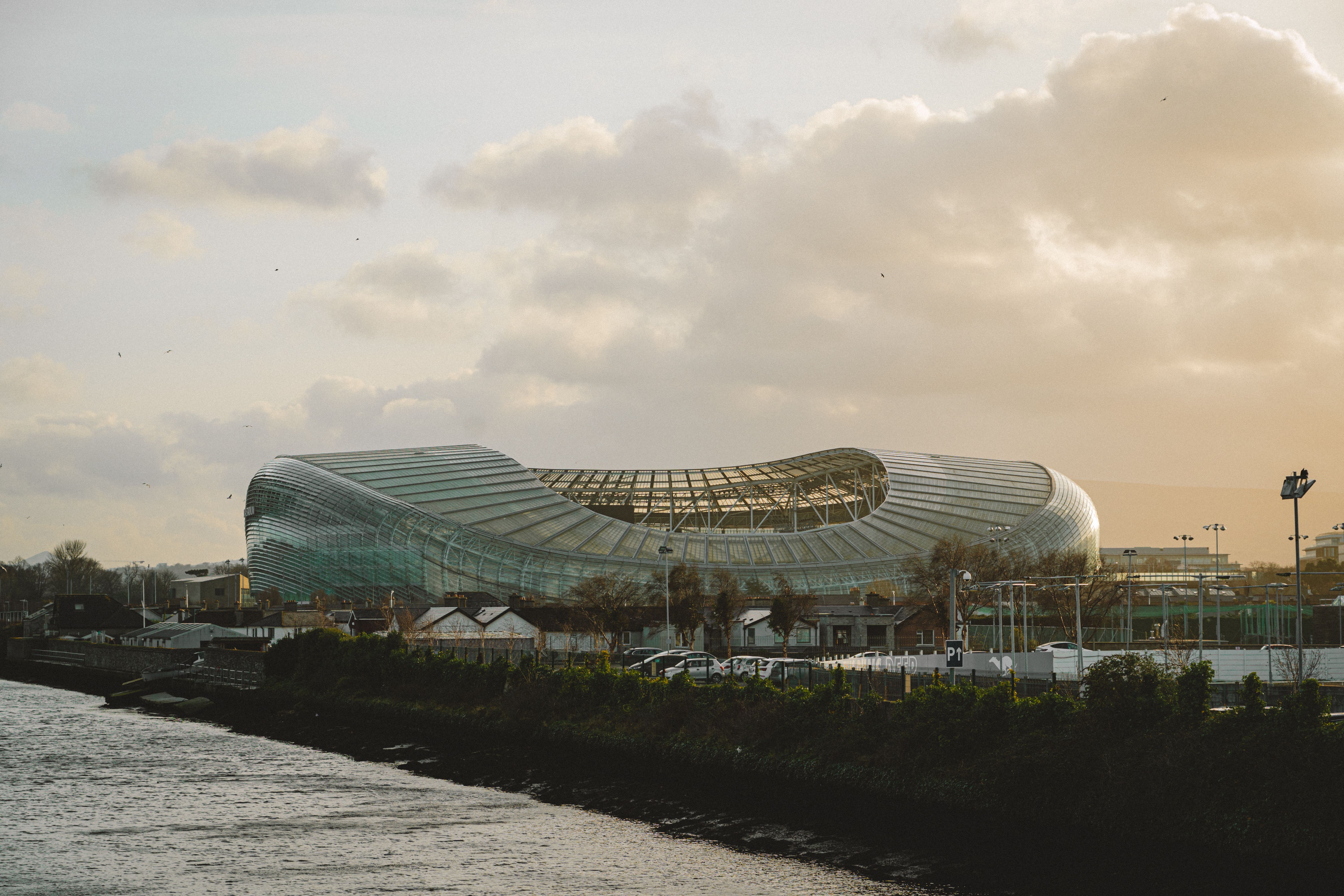
    Aviva Stadium on the banks of Dodder in Dublin. Image courtesy: Pexels
    Aviva Stadium on the banks of Dodder in Dublin. Image courtesy: Pexels

    There is a bend in the Dodder in Dublin, just past Ballsbridge, where the waterway slows down and the swans gather. It’s almost as if even the water knows it has arrived somewhere important. Walk along that stretch on a Saturday in November and you will hear it before you see it - a low roar rolling off the Aviva Stadium, 50,000 voices rising as one for the green jerseys of the “Shamrocks” (Ireland’s national men’s and women’s rugby teams). 

    Soon, Dublin will be lining up to back another team, with the city getting its very own European T20 Premier League (ETPL) franchise. 

    But strip away the roar, go back far enough along that riverbank, and the history of the place becomes really interesting, because the ground where Irish rugby found its voice was not built for rugby at all.

    Dublin wears its sport the way old cities wear their churches. It’s everywhere, layered, with one institution quietly built on the foundations of another. Long before Lansdowne Road became a cathedral of the oval ball, before Aviva Stadium rose in its place with that wave of a roof curling over the Dodder, that patch of reclaimed marshland belonged to cricket.

    The story begins not with a rugby man but with a champion sprinter. Henry Wallace Doveton Dunlop, restless and ambitious, went looking for a stretch of south Dublin land beside the new Lansdowne train station, after Trinity College banned his athletic events. There he laid out a running track, along with pitches for football, cricket and hurling. What rose on that ground was less of a stadium and more of a small sporting universe. A cinder track, a croquet green, three football pitches, an archery range, even a lawn tennis court, and somewhere among it all, a cricket pitch, tended by Dunlop's own cricket club.

    Rugby was, in that crowded company, simply one tenant among many.

    It did not stay that way for long. Rugby outgrew its neighbours. By March of 1878, Lansdowne was hosting its first international fixture against England, a match that would in time make it the oldest rugby Test venue anywhere in the world, built, however, on a ground that cricket had baptised.

    Cross the city to Trinity College and you will find the same story told in reverse, as if Dublin could not resist repeating the joke. Cricket arrived at College Park in 1821, with the university's cricket club being established in 1835, more than half a century before its rugby club existed. And remarkably, the arrangement never really ended. Come summer, the running track is still laid around the cricket square; come winter, the same turf becomes a rugby pitch. Two sports, one ground, an enduring handshake across two centuries. This is Dublin's tidiest piece of sporting choreography, played out twice a year without anyone remarking on it too much.

    That, perhaps, is the real inheritance handed down by cricket. Long before rugby or Gaelic games had stadiums of their own, it was cricket that brought the pavilions, the enclosed grounds, the seating, the quiet administrative know-how of running a sport in a professional manner. Dublin's other sports did not so much invent their own beginnings as borrow cricket's, the way a younger sibling ‘borrows’ a room before eventually moving in full time. The roar at the Aviva stadium on a Saturday owes more to a cricket pitch by the Dodder, than most of those singing along will perhaps ever know.

    However, with competitive professional franchise cricket arriving in the city in a big way, in the form of the ETPL, cricket in Dublin could well be on its way to witnessing a full-scale revival.  

    How Cricket paved the way for Rugby in Dublin | ETPL | ETPL